Understanding the Nature of Luck
Luck is often seen as the unpredictable element that dictates outcomes in a variety of casino games. Many players venture into these establishments believing that luck is the primary factor for winning, particularly in games like slots and roulette, where results hinge entirely on chance. The thrill of hitting a jackpot largely depends on that serendipitous moment when the right symbols align or when the ball settles on a favorable number. For those interested in maximizing their potential winnings, utilizing a secure online casino with fast withdrawal options can be beneficial, as this perception can lead players to attribute their victories solely to fortune, neglecting the complexities and strategies involved in their gameplay.
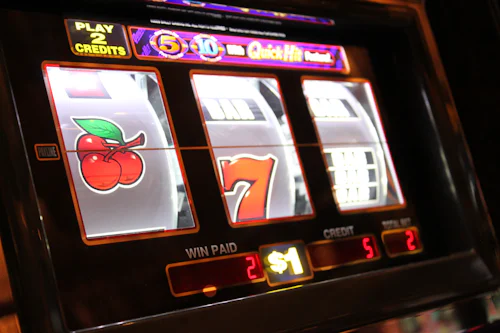
However, luck is inherently erratic; it ebbs and flows, impacting players in diverse ways over time. For example, one player may find themselves on a lucky streak, winning several rounds in a row, while another may grapple with a series of unfortunate losses. This unpredictability creates a psychological rollercoaster, as players chase the exhilaration of winning. They may become fixated on the belief that luck will eventually return to their side, often ignoring the reality that losing is an integral part of the gambling experience.
In addition, luck is often viewed through the lens of probability. Every game in a casino is crafted with a specific house edge, ensuring that the establishment remains profitable over time. While players may feel as though they can “beat the odds” through sheer luck, grasping the underlying probabilities can enable them to set realistic expectations for their experiences. This understanding not only amplifies their enjoyment of the games but also prepares them for the inevitable ups and downs that accompany gambling, fostering a more balanced approach to their gaming sessions.
The Importance of Skill in Casino Games
While luck can provide a fleeting advantage to a player’s success, skill becomes increasingly crucial in games that demand strategic thinking and decision-making. Poker serves as a prime example where skill plays a significant role in determining outcomes. Competent poker players rely on a mix of game knowledge, psychological insight, and an understanding of mathematical probabilities to outmaneuver their opponents. This dynamic illustrates that, in certain casino offerings, skill can indeed eclipse luck over time, especially when players face critical decisions that shape the game’s course.
Card games like blackjack further underscore the importance of skill. Seasoned players employ strategies such as card counting, betting systems, and a firm grasp of the odds to enhance their winning potential. Knowing when to hit, stand, or double down can be the pivotal factor distinguishing a profitable session from a disappointing loss. Thus, while luck may influence individual hands, sustained success in these games hinges upon the player’s skill and capacity to make informed, strategic choices.
Even in games that appear to rely entirely on luck, such as certain slot machines, a player’s understanding of game mechanics can significantly affect their experience. For instance, those who comprehend the payout structures and variances of different slot games can opt for those with more favorable odds, effectively increasing their chances of achieving desirable outcomes. This fusion of luck and skill emphasizes that while chance is a notable element of gambling, informed and strategic decisions can lead to improved results over time, enhancing the player’s overall experience.
The Balance Between Luck and Skill
The interplay between luck and skill is a central theme in the realm of casino gaming. Many successful players recognize the necessity of striking a balance between these two elements to achieve their desired outcomes. While they may depend on luck for immediate wins, their understanding of the games allows them to leverage their skills when opportunities arise. This equilibrium shapes a player’s approach to gambling, influencing their strategies and ultimately affecting their overall enjoyment of the game.
An experienced player recognizes that variance—the natural fluctuations in results driven by luck—will always be present. They learn to develop strategies to cope with these swings, maintaining composure regardless of short-term outcomes. By doing so, they mitigate the emotional toll that can arise from relying solely on luck, allowing them to savor the gaming experience while still aspiring for skillful play. This perspective fosters resilience and adaptability, essential traits for any successful gambler.
This balance is particularly pronounced in games where player decision-making significantly impacts the outcome. Even in games that are predominantly chance-based, such as craps, knowing when to place certain bets can enhance potential returns. Acknowledging the equilibrium between luck and skill encourages players to adopt a more strategic mindset while engaging with casino games, ultimately leading to a more fulfilling and rewarding experience.
The Psychological Aspects of Luck and Skill
The psychological dimensions of luck and skill within casinos are profound and multifaceted. Players often interpret their experiences through the prism of luck, attributing victories and defeats to fate. This mindset can lead to destructive gambling behaviors, such as chasing losses in hopes of recouping funds through luck rather than employing sound strategies. Such actions reflect cognitive biases that can distort a player’s comprehension of their true skill versus their reliance on luck, potentially resulting in a harmful cycle of gambling.
Conversely, when players acknowledge and appreciate their skills, they may experience heightened confidence and enjoyment during gameplay. Recognizing the role of skill helps foster a healthier relationship with gambling, as players begin to value strategic approaches alongside the unpredictable nature of luck. This balanced perspective can alleviate the negative emotional impacts of losses, reducing the pressure to rely solely on luck and promoting a more enjoyable gaming atmosphere.
Furthermore, successful players often engage in self-reflection, analyzing their gameplay to identify areas for improvement. This proactive approach underscores the influence of skill and rational thought in the often-chaotic casino environment. By enhancing their skills and understanding the limitations of luck, players can cultivate a more satisfying gaming experience overall, leading to better decision-making and improved outcomes in their casino endeavors.
Exploring Resources for Better Casino Play
Understanding the intricate relationship between luck and skill in casino success necessitates access to diverse resources. Many players find immense value in educational platforms that offer insights into strategy development, game mechanics, and psychological approaches to gambling. Such resources empower players to make informed decisions and cultivate their skills, significantly enhancing their overall experience in gaming environments.
Websites dedicated to casino education frequently provide comprehensive guides on a myriad of games, ranging from poker to various table games. These platforms serve as invaluable tools, equipping players with knowledge that can lead to improved outcomes. Players can learn about gameplay nuances, essential strategies, and effective bankroll management techniques. This accessible information encourages responsible gambling and fosters a more strategic approach to casino gaming, ultimately benefiting players in their pursuit of success.
Moreover, community forums and discussions can provide rich perspectives and shared experiences from a diverse array of players. Engaging with others who share similar interests can inspire confidence, promote skill sharing, and help navigate the complexities of casino environments. By integrating both luck and skill into their gameplay, players can leverage these resources to elevate their gambling journey, enhancing both their enjoyment and likelihood of success over the long term.